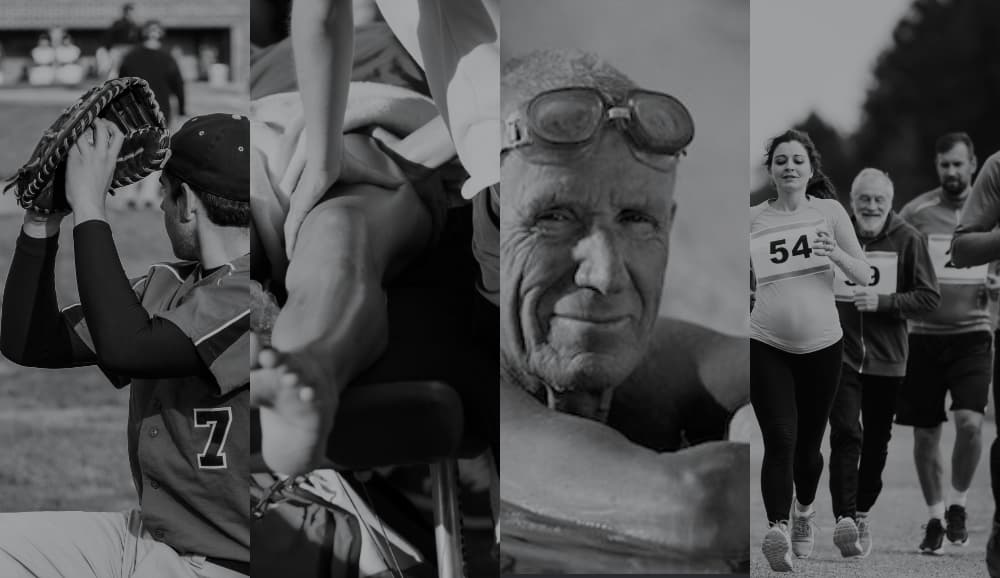
Acute and chronic musculoskeletal pain affects millions of active adults and athletes across the Washington D.C. metropolitan area, often stemming from overuse injuries or acute trauma. According to recent clinical data, dry needling combined with chiropractic and physical therapy can reduce pain intensity by up to 50% in patients with myofascial pain syndrome.
The Comprehensive Initial Assessment
Effective treatment begins with a rigorous diagnostic evaluation. At United Wellness & Sports Rehab, the process starts with a detailed history of your injury, whether it is a sports-related strain, a car accident injury, or chronic occupational pain. The clinical team evaluates your range of motion, posture, and specific trigger points in the muscle tissue.
Dry needling is defined as a technique where thin filiform needles are inserted into myofascial trigger points to relieve muscle tension. This definition distinguishes it from acupuncture, which is rooted in traditional Chinese medicine energy pathways. The primary goal here is physiological: to deactivate the taut band of muscle fibers that cause pain and restrict movement.
The Dry Needling Procedure Explained
Once the trigger points are mapped, the dry needling procedure begins. This step is critical for breaking the pain-spasm cycle that often prevents healing. The process involves several distinct phases that ensure patient comfort and clinical efficacy.
Preparation and Sterility
The treatment area is cleaned, and sterile, single-use filiform needles are prepared. These needles are hair-thin, similar to those used in acupuncture, but the intent is purely mechanical and physiological. The environment at United Wellness is designed to be clean and spacious, ensuring a professional and relaxing atmosphere for patients.
Needle Insertion and Twitch Response
The needle is inserted directly into the trigger point. A common clinical indicator of success is the “twitch response,” where the muscle fiber spontaneously contracts and then relaxes. This response indicates that the nerve ending has been stimulated and the muscle tension is being released. According to sports medicine research, eliciting this twitch response is correlated with immediate pain reduction and improved blood flow to the affected area.
Post-Needling Sensation
Patients may experience a dull ache or a slight bruising at the needle site for 24 to 48 hours. This is a normal inflammatory response that signals the body’s healing mechanisms are activating. The team at United Wellness provides clear aftercare instructions to manage this sensation and maximize the benefits of the treatment.
Frequently Asked Questions
What is the difference between dry needling and acupuncture?
Dry needling is a Western medical technique that targets myofascial trigger points to relieve muscle pain and improve function. Acupuncture is a component of Traditional Chinese Medicine that focuses on balancing energy flow along meridians. While both use thin needles, their underlying theories and treatment goals differ significantly.
Is dry needling painful?
Most patients report minimal discomfort during the procedure. The sensation is often described as a dull ache or a muscle twitch when the trigger point is located. Any post-treatment soreness typically resolves within 24 to 48 hours.
How many sessions of dry needling do I need?
The number of sessions varies depending on the severity of the injury and the individual’s response to treatment. Some patients experience relief after one session, while others may require a series of treatments integrated with chiropractic care and physical therapy.
Who Benefits From Dry Needling?*:
- Athletes
- Active Adults
- Youth Athletes
- Military Veterans
- Women
- People Who Sustained an Injury From an Accident
*Please visit any of our offices to learn more.
“Every one is really nice and caring and friendly. I have been feeling so much better since I’ve started coming here and will be sure to recommend to others” – Haiya Mirza
“I have been using this practice for many years. Everyone from the front desk to the practitioners to the massage therapists is great to work with. Highly recommend.” – Caryn Ostrosky